What type of site do you need?
If you’re planning to build a new website or redesign an existing one, one of the biggest decisions you’ll face is choosing between a WordPress site and a custom-built website.
Both options come with advantages and drawbacks—especially when it comes to your budget, timeline, and business goals.
In this post, we break down the cost, features, and long-term value of WordPress vs custom website design, helping you make a clear, informed decision.
What Is WordPress Website Design?
WordPress is a content management system (CMS) that powers over 40% of websites worldwide. With its extensive theme and plugin library, it’s a go-to solution for individuals, small businesses, and even some large-scale enterprises.
Key Features of WordPress Design
Pre-built themes for fast setup
Thousands of plugins to add functionality
User-friendly admin panel
Large community and developer ecosystem
Affordable hosting and maintenance options
WordPress can be extended or customized, but it generally relies on existing frameworks, which makes it quicker and more cost-effective to launch.
What Is Custom Website Design?
Custom website design refers to building a website from the ground up – typically using raw code (HTML, CSS, JS), frameworks (like React or Vue), or designed CMS platforms. This approach is highly flexible but usually requires more time and a bigger budget.
Key Features of Custom Design
Fully stunning design and functionality
Clean, optimized code for speed and SEO
Scalable architecture
No reliance on third-party themes or templates
Built specifically for your business goals and workflows
Custom sites are generally used by companies with specific functionality needs, brand requirements, or performance goals.
WordPress vs Custom Website Design: Side-by-Side Comparison
1. Cost
WordPress:
Basic sites can cost between $500 and $3,000 depending on the theme, plugins, and minor customizations. Maintenance is also cheaper.Custom Design:
Custom sites typically range from $3,000 to $25,000+, depending on the complexity, features, and development framework. Ongoing maintenance may also be more technical and costly.
Conclusion: WordPress is more budget-friendly upfront and easier to maintain for non-technical users.
2. Time to Launch
WordPress:
With pre-built themes and plugins, a basic site can be launched in a few days to a few weeks.Custom Design:
Custom development projects take longer, usually between 4 and 12 weeks or more depending on the scope.
Conclusion: If you need a quick turnaround, WordPress is the better option.
3. Design Flexibility
WordPress:
Offers design flexibility within the limits of your chosen theme or page builder. Full customization is possible but may require a developer.Custom Design:
Complete creative freedom. Every aspect—from animations to user interactions—can be designed to exact specifications.
Conclusion: Custom design offers far more control and flexibility, especially for unique UI/UX needs.
4. Performance and Speed
WordPress:
Performance depends heavily on the chosen theme and plugins. Some themes are bloated and slow unless optimized.Custom Design:
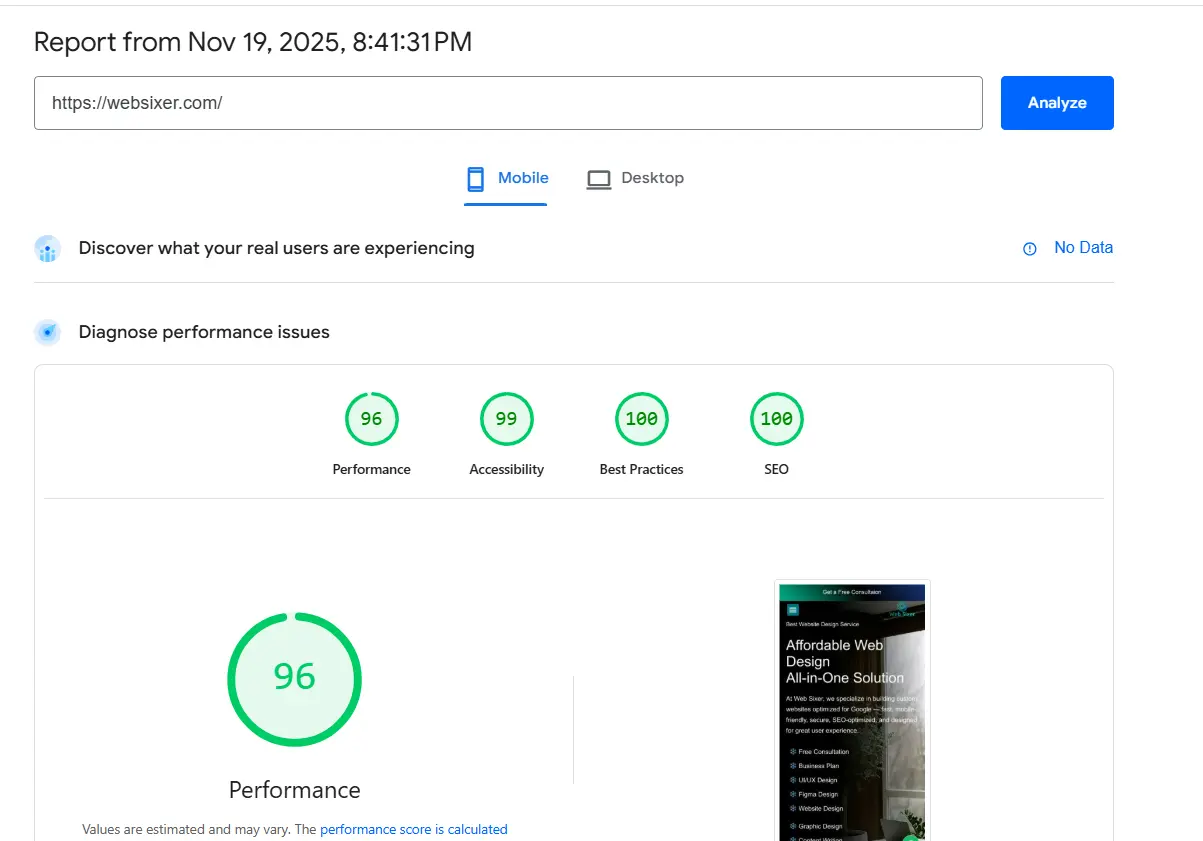
Clean code and optimized architecture usually mean faster load times and better Core Web Vitals scores.
Conclusion: Custom sites typically outperform WordPress in speed, especially at scale.
5. Scalability
WordPress:
Suitable for small to mid-sized websites. Scalability is possible but can become inefficient with complex logic or heavy traffic.Custom Design:
Built with scalability in mind. Ideal for web apps, SaaS platforms, and high-traffic business sites.
Conclusion: Custom sites are the better choice if you plan to scale aggressively.
6. Security
WordPress:
Vulnerable to plugin-related security issues. Requires regular updates and monitoring.Custom Design:
Fewer vulnerabilities as it’s built without third-party plugins. Security protocols can be custom-designed.
Conclusion: Custom development offers tighter, more robust security.
When Should You Choose WordPress?
WordPress is an excellent option if:
You’re on a tight budget
You need to launch quickly
You want to manage content yourself
Your website needs are relatively simple (blog, business site, brochure site, etc.)
When Should You Choose Custom Design?
Custom website development is best if:
You have specific functionality or design needs
You’re building a SaaS product, web app, or complex user portal
Branding and performance are top priorities
You need high security or enterprise-grade infrastructure
You plan to scale rapidly
Real-World Examples
A local restaurant might use WordPress to launch an affordable, elegant site with online reservations.
A B2B SaaS company would benefit from a custom website with stunning integrations, onboarding flows, and performance optimization.
Final Verdict: Which One Is Best for Your Budget?
If your goal is to launch quickly, stay within budget, and have control over content, WordPress is your best option.
If you’re building a website that will be central to your operations, needs to be lightning-fast, scalable, or include custom features, investing in custom design is worth the cost.
The right choice depends on your business model, goals, and long-term plans. For many, starting with WordPress and upgrading later is a smart, strategic path.
Need Help Deciding?
At Web Sixer, we offer both WordPress and fully custom website development services – designed to your goals and budget. Whether you’re launching your first site or building something from scratch, we help you choose the smartest solution.